
How Long Does Waterproofing Last, and When Should You Redo It?
A practical guide for Singapore homeowners to recognise ageing waterproofing, decide whether a localised repair is enough, and avoid paying for a full replacement before identifying the real problem.
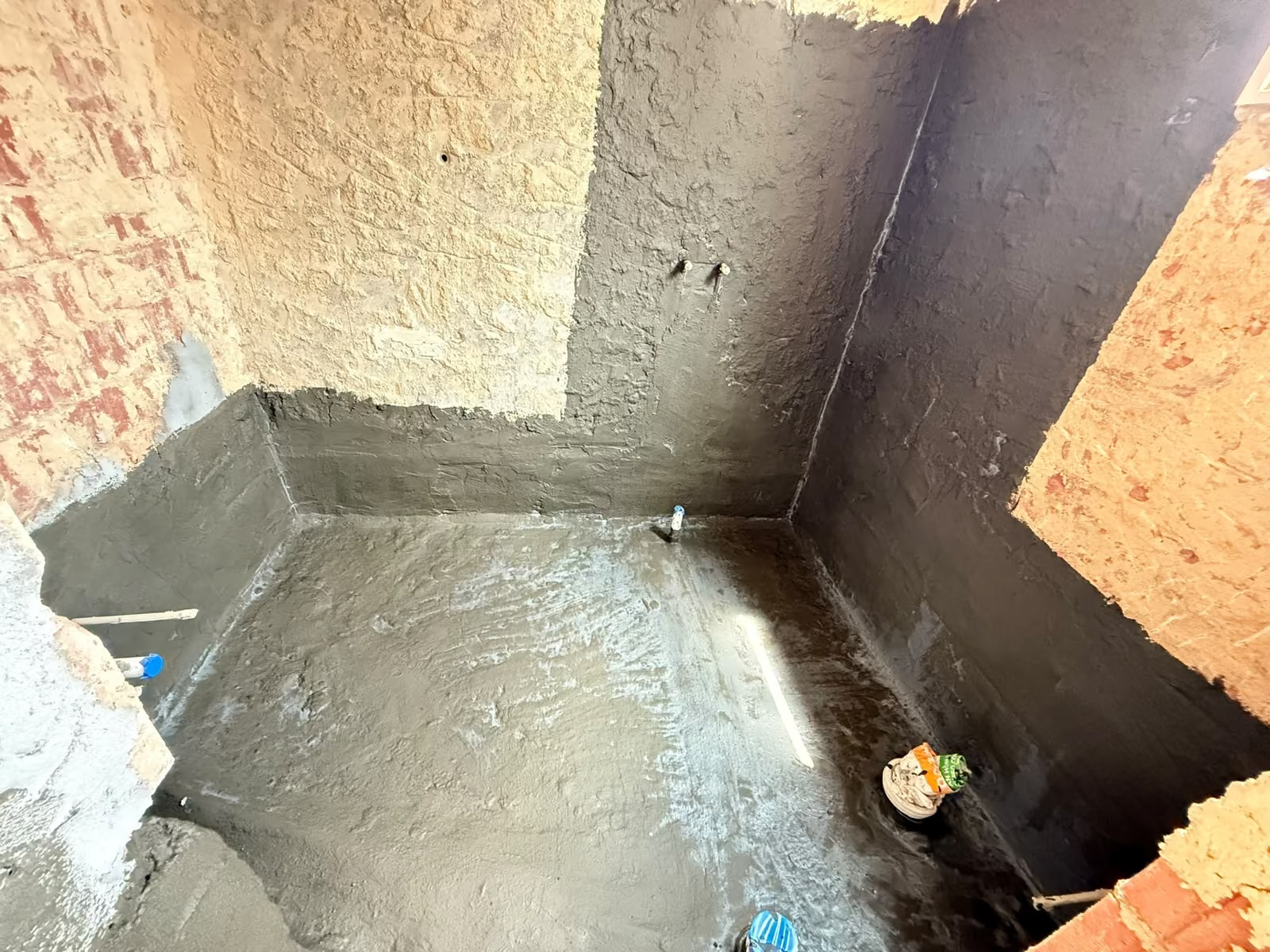
Quick answer: how long does waterproofing last in Singapore?
There is no single expiry date for waterproofing. The life of a system depends on its material, surface preparation, workmanship, movement, exposure to sunlight and standing water, and ongoing maintenance. A properly installed membrane may perform for many years, while a poorly detailed waterproofing joint can leak much earlier. Do not assume that the age of a bathroom or roof automatically means it needs replacing.
In Singapore’s warm, humid climate with regular heavy rainfall, the better question is: is the waterproofing still doing its job, and where is water entering? Inspecting the actual symptoms helps distinguish a failed membrane from a leaking pipe, blocked drain, condensation or an external wall defect.
What affects how long waterproofing lasts?
1. The type of waterproofing system
Bathroom cementitious coatings, torch-on roof membranes, liquid-applied systems, sealants and injection resins serve different purposes and have different exposure and maintenance requirements. Product-specific design life or warranty terms should be checked against the manufacturer’s specification and installed system.
2. Surface preparation and workmanship
Even a suitable product may underperform if the substrate is damp when it should be dry, the wrong primer is used, the required thickness is not achieved, or corners, pipe penetrations and floor traps are not detailed properly. A membrane is only as reliable as its weakest junction.
3. Water exposure, movement and use
Rooftops face direct weather exposure, thermal movement and possible ponding. Bathrooms face frequent wetting, cleaning products and plumbing connections. Balconies may combine foot traffic, UV exposure and rainfall. Building movement and cracks can also stress waterproofing layers.
4. Repairs and maintenance
Clogged outlets, damaged sealants, tile movement and neglected rooftop details can shorten effective service life. Periodic checks help catch defects before water reaches ceilings or adjacent units.
Five warning signs it may be time to redo waterproofing
- Recurring ceiling leakage: water stains return after a previous repair, especially after showers or rain.
- Persistent damp patches or peeling paint: moisture continues even after the surface is repainted.
- Water collecting where it should drain: ponding can increase exposure, but does not alone prove a membrane failure.
- Cracks around wet-area joints and penetrations: movement or deterioration can create possible leakage paths.
- Repeated repairs in the same location: the original diagnosis or waterproofing system may need reassessment.
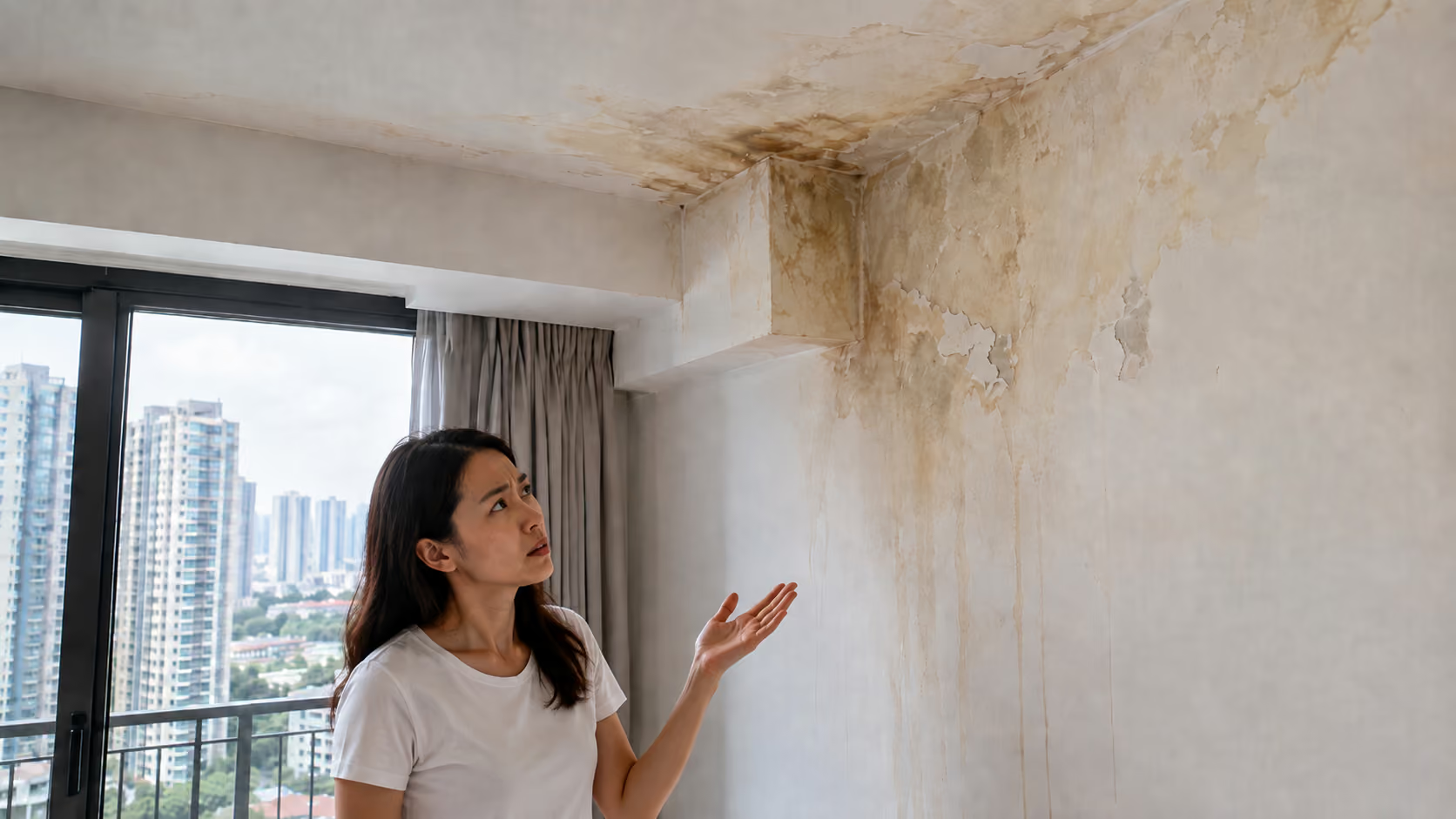
When is a repair enough, and when should you replace the whole membrane?
| Situation | What to consider |
|---|---|
| A localised crack or leakage path is identified | Targeted crack repair or injection may be considered if appropriate for the substrate and source. |
| Failed sealant at a specific joint | Joint preparation and resealing may be appropriate after confirming the source. |
| Widespread failed bathroom membrane | Removal and reinstatement of waterproofing, followed by testing and finishes, may be necessary. |
| Roof membrane with multiple defects or poor adhesion | Evaluate whether patch repairs remain reliable or a larger replacement is more economical. |
| Concealed supply or waste pipe leak | Repair the plumbing issue; replacing waterproofing alone may not address the leak. |
For homeowners comparing treatments, read our guide to PU injection vs waterproofing membranes and overlays. For a deeper overview of service life, see our existing article How Long Does Waterproofing Last?.
Bathroom waterproofing: should you redo it when renovating?
A bathroom renovation is a practical opportunity to assess the membrane before new tiles are laid. If the existing waterproofing is damaged, missing or incompatible with the proposed works, plan the repair at that stage rather than discovering leakage after the new finishes are complete.
Do not assume that replacing grout or applying a clear coating restores a failed membrane beneath tiles. A suitable repair depends on where the water travels and the condition of the underlying system. Related reading: Why waterproofing should come before bathroom renovation and bathroom and toilet waterproofing services.
Roof and balcony waterproofing: different exposure, different warning signs
Rooftops and balconies receive more direct rain and may face intense sun and movement. Watch for recurring leakage after rain, lifting or blistering membrane areas, deteriorated flashing details, cracked junctions and drainage issues. Addressing a blocked outlet without checking the waterproofing, or coating over a compromised layer, may not solve the underlying problem.

What should a waterproofing inspection include?
- Where and when the leak appears: after rain, after showering or continuously
- Inspection of accessible surface conditions, cracks, joints, floor traps and pipes
- Evaluation of the proposed repair area and underlying cause, where accessible
- Testing where appropriate and safe, with access and approvals when necessary
- An explanation of the recommended method, expected limitations and quotation scope
For condominium water seepage involving an upstairs or downstairs neighbour, see our condo inter-floor leakage service. Where several units or common-property areas are involved, coordination with the MCST may be needed.
Frequently asked questions
How often should bathroom waterproofing be redone?
There is no universal replacement interval. Consider its condition, leak history, renovation scope and inspection findings instead of replacing purely because a fixed number of years has passed.
Can I just regrout a leaking bathroom?
Regrouting can address deteriorated surface joints, but will not reliably restore a failed waterproofing membrane or repair a concealed pipe leak.
Does a roof coating mean the roof is waterproofed for many years?
Not necessarily. A coating’s performance depends on the product, preparation, thickness, detailing and compatibility with the existing roof system. Confirm the manufacturer’s requirements and the actual repair scope.
Why does my ceiling still leak after waterproofing?
The water may be entering through a different path, the original repair may not have addressed the source, or another defect may exist. Further diagnosis is preferable to repeating the same treatment blindly.
Should I wait until there is visible dripping?
No. Recurring dampness, bubbling paint or persistent stains warrant assessment before damage spreads.
Not Sure Whether to Repair or Redo Your Waterproofing?
Triton Construction helps Singapore homeowners investigate recurring water seepage and choose a repair based on the actual condition—not simply the most expensive option.
WhatsApp Triton for an Inspection