
.png)
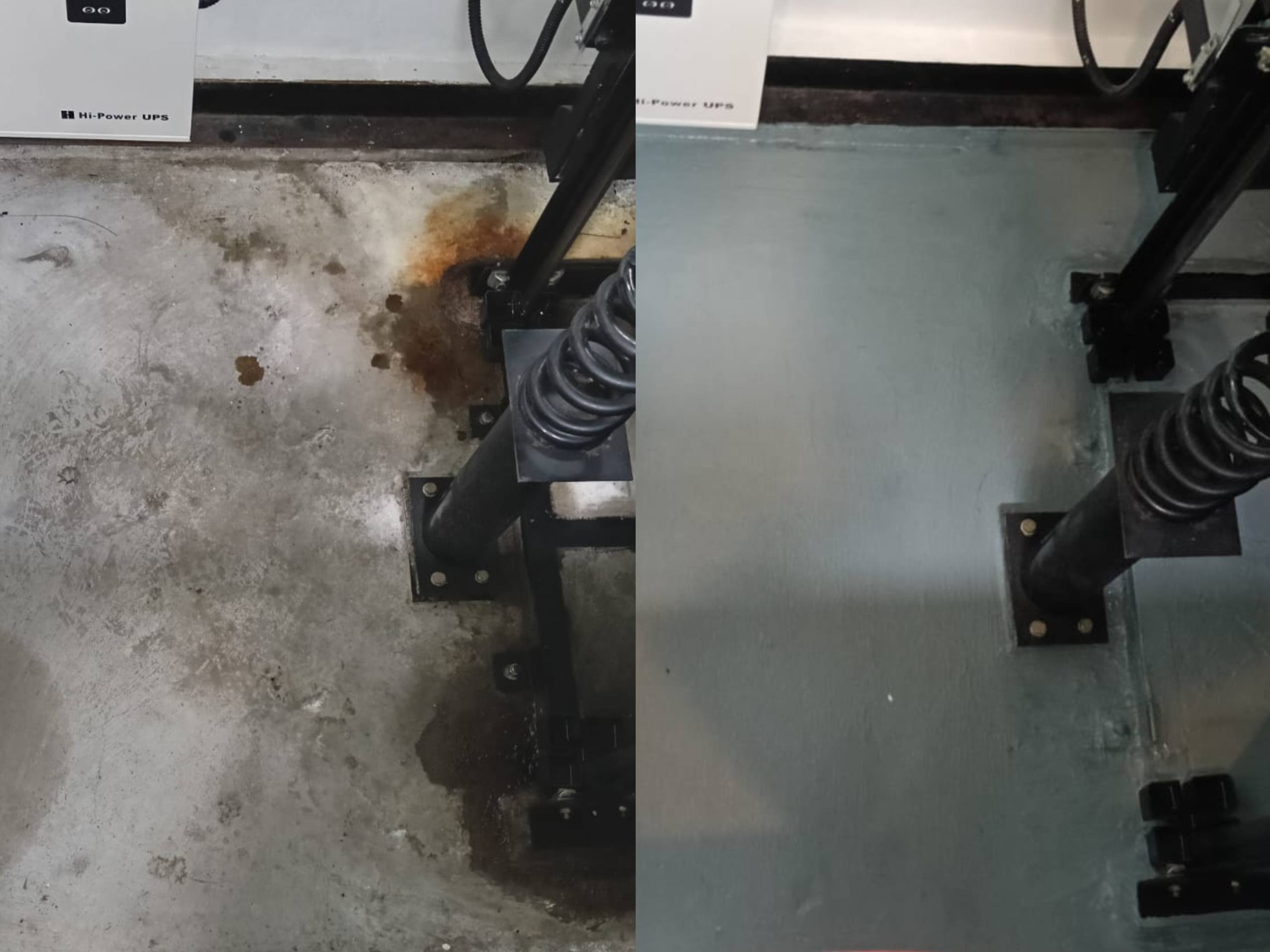
Waterproofing is essential for protecting your home from water damage, mould, and structural issues. But how long does waterproofing last? The answer depends on several factors, including the type of waterproofing, the materials used, and maintenance practices. In this guide, we’ll explore everything you need to know about waterproofing longevity and how to make your investment last.
Waterproofing is the process of applying protective materials to surfaces—such as walls, roofs, basements, and bathrooms—to prevent water from seeping through.
Effective waterproofing safeguards your home against:
Proper waterproofing ensures a longer lifespan for your home and reduces costly repairs over time.
The durability of waterproofing depends on several key factors:
High-quality waterproofing materials, like professional-grade sealants and membranes, last longer than cheap alternatives. Investing in premium products ensures better protection and durability.
The surface must be clean, dry, and free from cracks before applying waterproofing. Poor preparation leads to premature failure and reduces the lifespan of the waterproofing layer.
Exposure to harsh weather, UV rays, or extreme temperatures can affect waterproofing longevity. Areas with heavy rainfall or high humidity may require more frequent inspections and maintenance.
Regular inspections and maintenance help detect early signs of wear, cracks, or leaks. Prompt repair ensures your waterproofing lasts as long as possible.
Even high-quality waterproofing doesn’t last forever. Look out for these warning signs:
Early detection and timely reapplication can prevent costly damage and extend the life of your waterproofing.
Contact us today for a professional inspection and let us solve your waterproofing issues.