What Is Efflorescence?
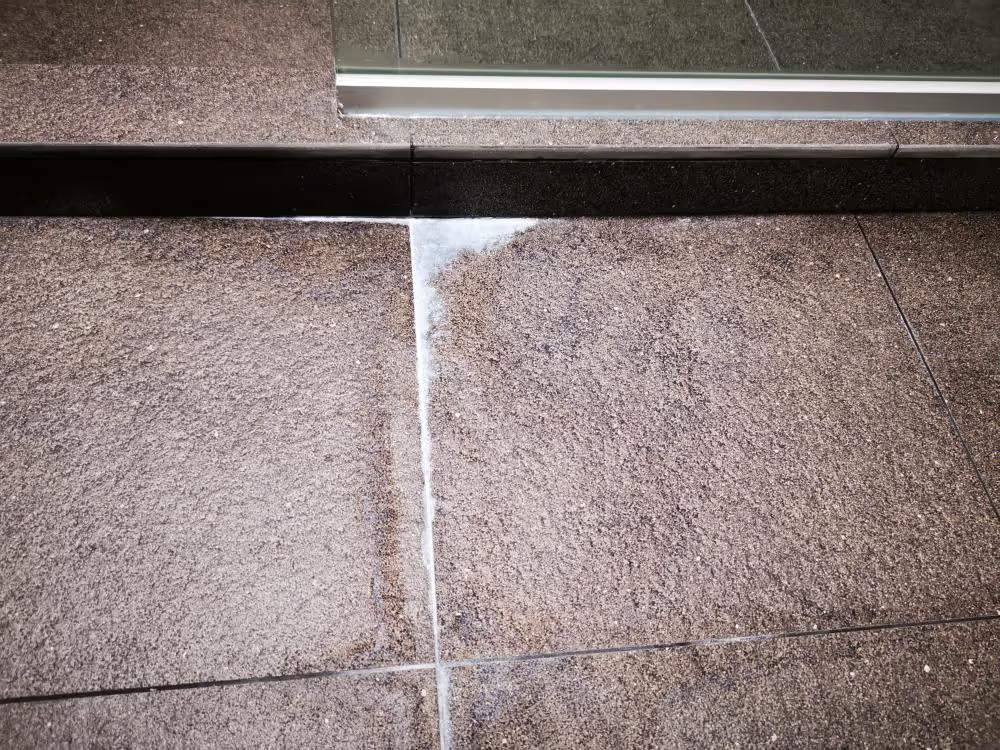
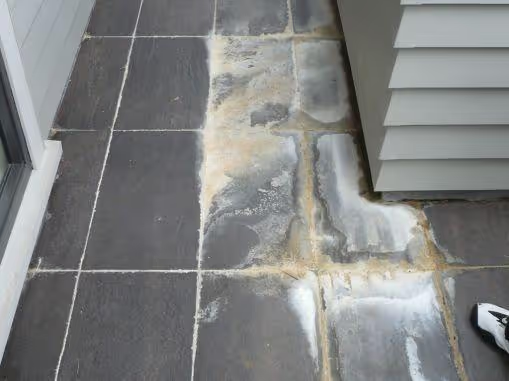
Efflorescence is the white, powdery residue that appears on concrete, brick, tiles, or grout surfaces. It occurs when water carries soluble salts to the surface, leaving behind mineral deposits as it evaporates.
In Singapore’s humid and rainy climate, efflorescence is very common in:
- Bathrooms
- Balconies
- External walls
- Basements and carparks
While it may look harmless, it is often a warning sign of underlying moisture issues.
What Causes Efflorescence in Singapore?
1. Water Seepage 💧
Water enters through cracks, joints, or porous surfaces, dissolving salts within the material.
2. Heavy Rain & Humidity 🌧️
Singapore’s climate accelerates moisture movement, increasing the likelihood of salt deposits forming.
3. Poor Waterproofing 💧
Failed or missing waterproofing allows water penetration, especially in exposed areas.
4. Presence of Soluble Salts 🧪
Concrete, cement, and grout naturally contain salts that become visible when transported to the surface.
🚨 Signs of Efflorescence
- White powdery stains on walls or floors
- Chalky residue on tiles or grout
- Recurring white patches after cleaning
- Damp or discoloured surfaces
🚨 If it keeps coming back, it’s not just surface-level — moisture is still present
How to Remove Efflorescence
1. Dry Brushing & Cleaning 🧼
- Use a stiff brush to remove surface deposits
- Mild acid-based cleaners may be used for stubborn stains
⚠️ This only removes the symptom, not the cause
2. Identify & Fix Water Source 💧
- Repair cracks and joints
- Check for roof leaks
- Inspect bathroom or balcony waterproofing
👉 Stopping water ingress is critical
3. Apply Waterproofing Solutions (MOST IMPORTANT!)
Effective waterproofing prevents moisture from reaching the surface:
- Roof waterproofing
- Balcony waterproofing
- Bathroom waterproofing
4. Seal Surfaces
- Apply sealants or protective coatings
- Reduce porosity of concrete and grout
👉 Prevents future salt migration
Residential vs Commercial Efflorescence
Residential Properties 🏠
- Bathroom tiles & grout
- Balcony floors
- Interior walls
Commercial Buildings 🏭
- External facades
- Basement walls
- Carparks and loading bays
Why You Should Not Ignore Efflorescence
- Indicates hidden water damage
- Can lead to mould growth
- Weakens building materials over time
- Affects property appearance and value
Efflorescence is more than just a cosmetic issue — it is a clear sign of moisture intrusion within your property. In Singapore’s humid environment, ignoring it can lead to more serious problems like mould growth and structural damage.
The most effective solution is not just cleaning the surface, but addressing the root cause through proper waterproofing and sealing. Engaging a professional ensures long-term protection and peace of mind.
If you’re unsure whether it’s efflorescence or a deeper issue, contact our team today and we can help you diagnose and recommend the right solution.
Frequently Asked Questions (FAQ)
Let us answer your questions about efflorescence.
What is efflorescence?
Efflorescence is a white powdery residue that appears on concrete, tiles, or brick surfaces when water brings salts to the surface and leaves them behind after evaporation.
How do you permanently stop efflorescence?
To permanently stop efflorescence, you must fix water seepage issues and apply proper waterproofing and sealing systems.
Does efflorescence come back after cleaning?
Yes, efflorescence will return if the source of moisture is not fixed.
Is efflorescence harmful?
Efflorescence is not harmful itself but indicates moisture problems that can lead to mould growth and structural damage.
What causes efflorescence in Singapore?
Efflorescence is caused by water seepage, high humidity, poor waterproofing, and natural salts in building materials.
Wei Jie
Triton Construction - Your Waterproofing Specialist

.png)