
.png)
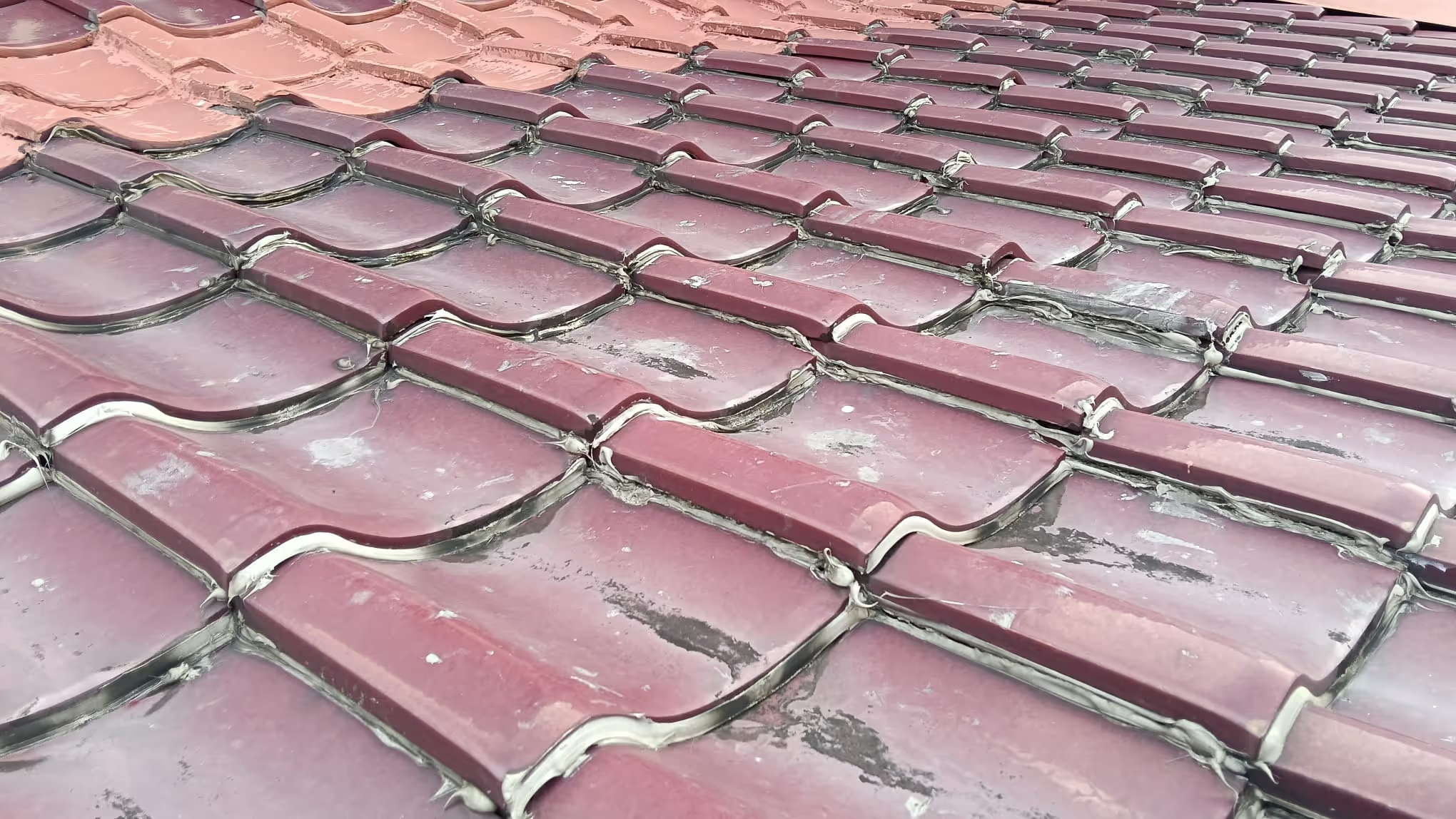
Singapore’s tropical climate is unforgiving on rooftops. With heavy rainfall averaging over 2,300 mm annually, relentless humidity, and intense UV exposure, even the sturdiest roofs eventually show wear. Ignoring early warning signs can turn a minor fix into a five-figure repair — or worse, cause structural damage to your home.
Whether you own a landed property in Bukit Timah, a terrace house in Serangoon, or manage a commercial building in Jurong, recognising roof problems early is crucial. In this guide, we walk you through the Top 3 signs you need roof repair in Singapore, and what to do about them.
The most obvious (and most ignored) sign of roof damage is water infiltration. If you notice any of the following inside your home, your roof is likely compromised:
Why it matters in Singapore: Our year-round humidity accelerates mould growth within 24–48 hours of a leak. What looks like a small patch today can become a full ceiling collapse after just one heavy thunderstorm.
What to do: Don’t just repaint over the stain. Call a licensed Singapore roofing contractor for a thorough inspection to locate the source — which is often metres away from where the stain appears.
Walk around the area and look up. Do you see the following:
Singapore’s frequent tropical storms and occasional Sumatra squalls (common in May–June) put enormous stress on roofing materials. Even one displaced tile creates an entry point for water, pests, and wind uplift damage.
Common in Singapore properties:
What to do: Schedule a professional roof inspection. A qualified roofer can replace damaged tiles, re-seal panels, and reinforce
Your roof’s drainage system is just as important as the roof itself. Signs of drainage failure include:
Why it matters: Blocked gutters force water under roof tiles and into ceilings, eaves, and walls. Ponding water on flat roofs can void your waterproofing warranty and accelerate membrane breakdown.
What to do: Have your gutters cleaned at least twice a year — ideally before the Northeast Monsoon (November–January) and the Southwest Monsoon (June–September). May is the perfect month to prepare.
If you notice even one of the three signs above, don’t wait. Roof problems in Singapore compound quickly due to our climate. A S$500 repair today can easily become a S$15,000 roof replacement next year.
Look for a contractor who:
At Triton Construction, we’ve helped hundreds of Singaporean homeowners and businesses extend the life of their roofs. If you’ve spotted any of the warning signs above, contact us today for a free, no-obligation roof inspection — and enter monsoon season with peace of mind.