
.png)
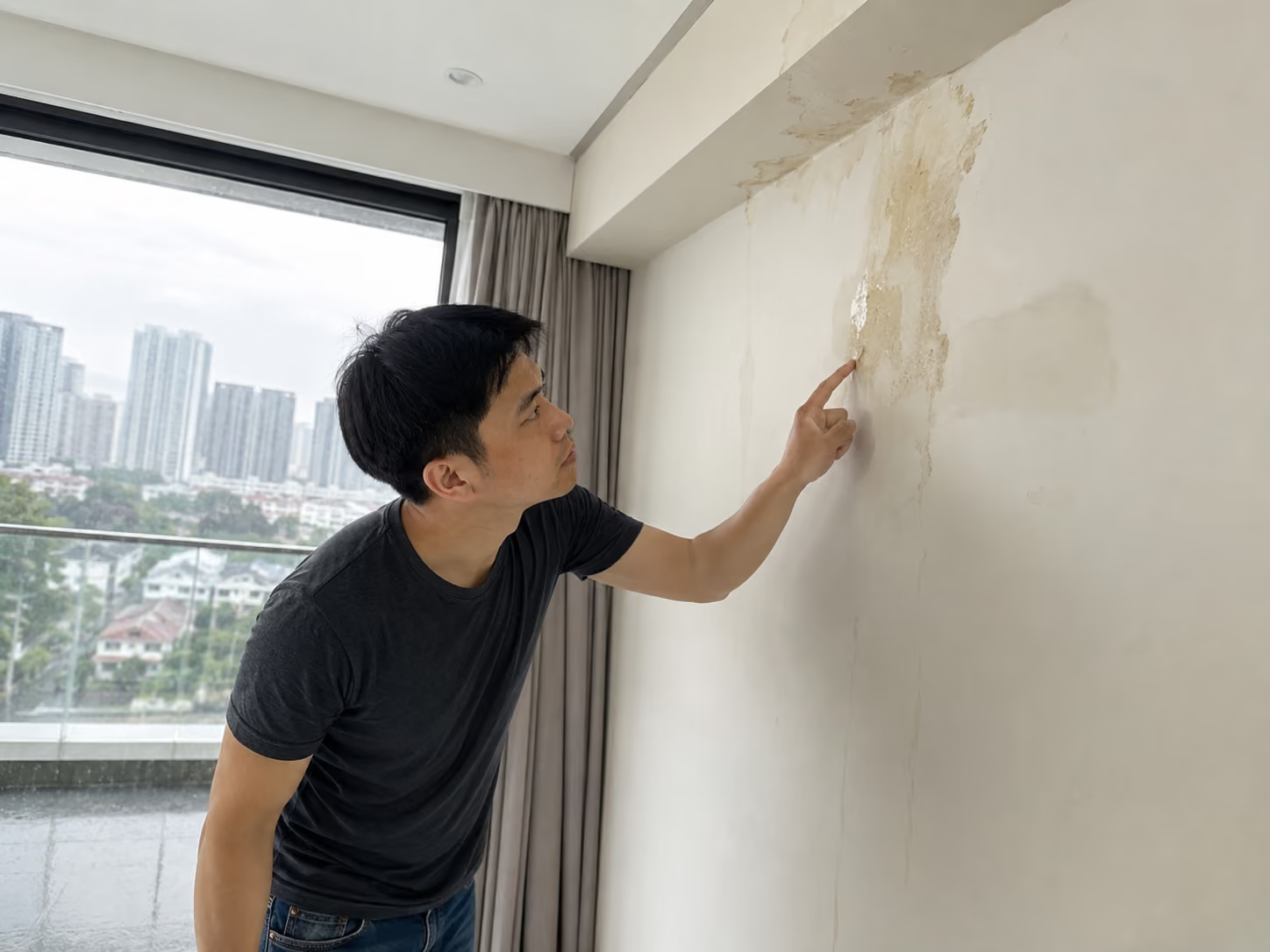
A leak can look like it has disappeared during dry weather because the surface has dried up. However, the original water entry point may still remain. If a ceiling stain, wall stain, bubbling paint or damp patch returns after the next rain, it usually means the leakage source has not been fixed.
In Singapore, this is common because short bursts of heavy rain, heat and humidity can cause water to enter through roof cracks, external wall gaps, failed waterproofing layers, balcony edges, window frames or concrete joints. The visible stain may fade, but the hidden seepage path can still be active.
Many homeowners notice a ceiling stain or damp wall after rain, then assume the problem is solved when the mark becomes lighter after a few sunny days.
Unfortunately, this can be misleading.
When the weather is dry, the surface layer of your ceiling or wall may dry out. The stain may look less obvious, and there may be no active dripping. But behind the paint, plaster, concrete, tiles or false ceiling, moisture may still be trapped.
The leak may return when water enters the same weak point again during the next heavy shower.
This is why some leaks appear to “come and go”.
A wall or ceiling can look dry on the outside while moisture is still present inside. This is especially common in areas with poor ventilation, high humidity or repeated water exposure.
You may notice:
These signs suggest that the problem may not be fully resolved.
Water stains usually return because the root cause was not repaired. Repainting, wiping the surface or applying sealant on the visible stain may make the area look better temporarily, but it does not always stop water from entering.
Common causes include:
For landed homes, top-floor units and properties with exposed roof slabs, rainwater can enter through cracks, worn roof coatings, damaged membranes or ponding areas.
During dry weather, the ceiling may stop dripping. But once rainwater collects again, the same leakage path can reactivate.
External walls are constantly exposed to rain, heat and humidity. Over time, cracks, gaps, porous surfaces or failed coatings may allow water to seep in.
The water may travel sideways or downwards before appearing as an indoor ceiling or wall stain.
Balconies and planter boxes are high-risk areas because they are frequently exposed to rainwater, washing, watering and trapped moisture.
If the waterproofing layer or drainage system fails, water may seep into the ceiling below or adjacent walls. During dry periods, the area may look normal again until the next rain or watering cycle.
Small gaps around window frames, wall joints, aircon pipe openings or external ledges can allow rainwater to enter. These gaps may not look serious, but they can become active water entry points during windy rain.
Water can travel through hairline cracks, concrete joints and weak points in the structure. The visible stain may appear far away from the actual entry point because water does not always travel in a straight line.
If the stain is below a bathroom, kitchen or wet area, the issue may be related to floor waterproofing failure, pipe surrounding leakage or seepage from the unit above.
In this case, the stain may not be rain-related. It may appear more often when water is used in the bathroom or kitchen.
Repainting a stained ceiling or wall before fixing the source of leakage is one of the most common mistakes. Fresh paint may hide the stain for a while, but if moisture is still trapped inside, the paint may start to bubble, peel or turn yellow again. You may end up paying twice: once for repainting, and again for proper repair after the stain returns.
Before repainting, the affected area should be properly assessed and allowed to dry. More importantly, the source of water entry should be identified and repaired.
Dry weather is not the time to ignore water stains. It is the best time to inspect them.
When there is no active dripping, it is easier to check for:
A dry period also gives contractors a better opportunity to assess the area before the next heavy rain.
If the stain returns after rain, comparing dry-weather and wet-weather photos can help identify the leakage pattern.
If your ceiling or wall stain has dried up, do not rush to repaint immediately. Instead, monitor the affected area carefully.
Take a wide-angle photo showing the full wall or ceiling area. Then take a close-up photo of the stain, crack, bubble or damp patch.
This creates a reference point.
After the next rain, take another photo from the same angle. If the stain darkens, spreads or reappears, the leakage path is likely still active.
Look around the stain. Check nearby windows, external walls, roof edges, bathroom ceilings, balcony edges, planter boxes and skirting areas.
The source may not be directly above the stain.
Timing is very important. Take note of whether the stain returns:
This helps narrow down whether the cause may be rainwater seepage, wet-area waterproofing failure, plumbing leakage or condensation.
If the stain keeps returning, arrange an inspection before the damage spreads to plaster ceilings, paintwork, wardrobes, flooring, electrical points or built-in carpentry.
Even if there is no active dripping, check these high-risk areas around your property.
Ceiling corners are common areas for water stains because water can travel along beams, slabs and joints before appearing indoors.
Walls facing the outside are more exposed to rain and heat. Look for damp patches, cracks, peeling paint or mould near these areas.
Rainwater can seep through gaps around window frames, ledges or sealant lines. This is especially common during windy rain.
Balcony tiles, grout lines, drainage points and corners should be checked for cracks or ponding water.
Planter boxes can trap water if the drainage is poor or the waterproofing layer has failed. Check the surrounding wall, ceiling below and floor edges.
For landed homes and top-floor areas, inspect roof surfaces, parapet walls, gutters, roof edges and drainage points where accessible.
Moisture can travel behind built-in cabinets and skirting. Check for swelling, musty smell or mould.
The problem may be waterproofing-related if:
A waterproofing specialist can assess whether the issue may involve roof waterproofing, external wall seepage, balcony leakage, planter box leakage, concrete crack seepage or wet-area waterproofing failure.
The problem may be plumbing-related if:
For suspected water pipe or sanitary pipe issues, a licensed plumber may be required to inspect and repair the plumbing system. In some cases, both plumbing and waterproofing checks may be needed.
DIY sealant may seem like a quick fix, but it often only treats the surface. If water is entering from behind the wall, roof, slab, balcony or planter box, surface sealant may not stop the actual seepage.
Water can simply move to another weak point.
This is why recurring leaks should be assessed properly before repair. The right method depends on where the water is entering and how it is travelling.
Possible repair methods may include:
A small stain may not look urgent, especially when it dries up. But repeated moisture can cause long-term damage.
Ignoring recurring water stains may lead to:
The earlier the source is identified, the easier it is to prevent further damage.
You should contact a waterproofing specialist if:
At Triton Construction, we help homeowners, landlords, commercial property owners and managing agents assess water seepage problems and recommend suitable repair methods.
To help us understand your leakage issue better, send:
The more information you provide, the easier it is to identify the possible source.
Dry weather can make a leak look less serious, but if the stain returns after rain, the source has not been properly resolved.
Triton Construction Pte Ltd provides waterproofing and leakage repair services for residential, commercial and industrial properties in Singapore. We help assess ceiling leaks, wall seepage, roof leakage, balcony leakage, planter box leakage, bathroom waterproofing failure and concrete crack seepage.
Send us clear photos and videos of the affected area for an initial assessment.
Contact Triton Construction today for waterproofing and water seepage repair in Singapore.