Cheap Waterproofing Quote vs Proper Leak Repair: Why Leaks Come Back

Waterproofing Leak Expert
Wei Jie
Last Updated: 26 Sep 2026
•
10 min read
Close-up of a red tiled roof with visible cracks and sealant applied along the tile edges indicating roof repair, water leakage issues

‍

Quick Answer

‍

A cheap waterproofing quote may look attractive at first, but it can fail if the contractor only treats the visible stain instead of the actual source of water seepage.

Some repairs fail after a few months because the leakage source was not properly identified, the wrong method was used, poor-quality materials were applied, or the damaged waterproofing layer was not repaired correctly.

For long-lasting leak repair, the focus should not be on the lowest price alone. The focus should be on proper diagnosis, suitable repair method, workmanship, materials, and whether the repair addresses the root cause.

‍

Why Homeowners Choose the Cheapest Quote

‍

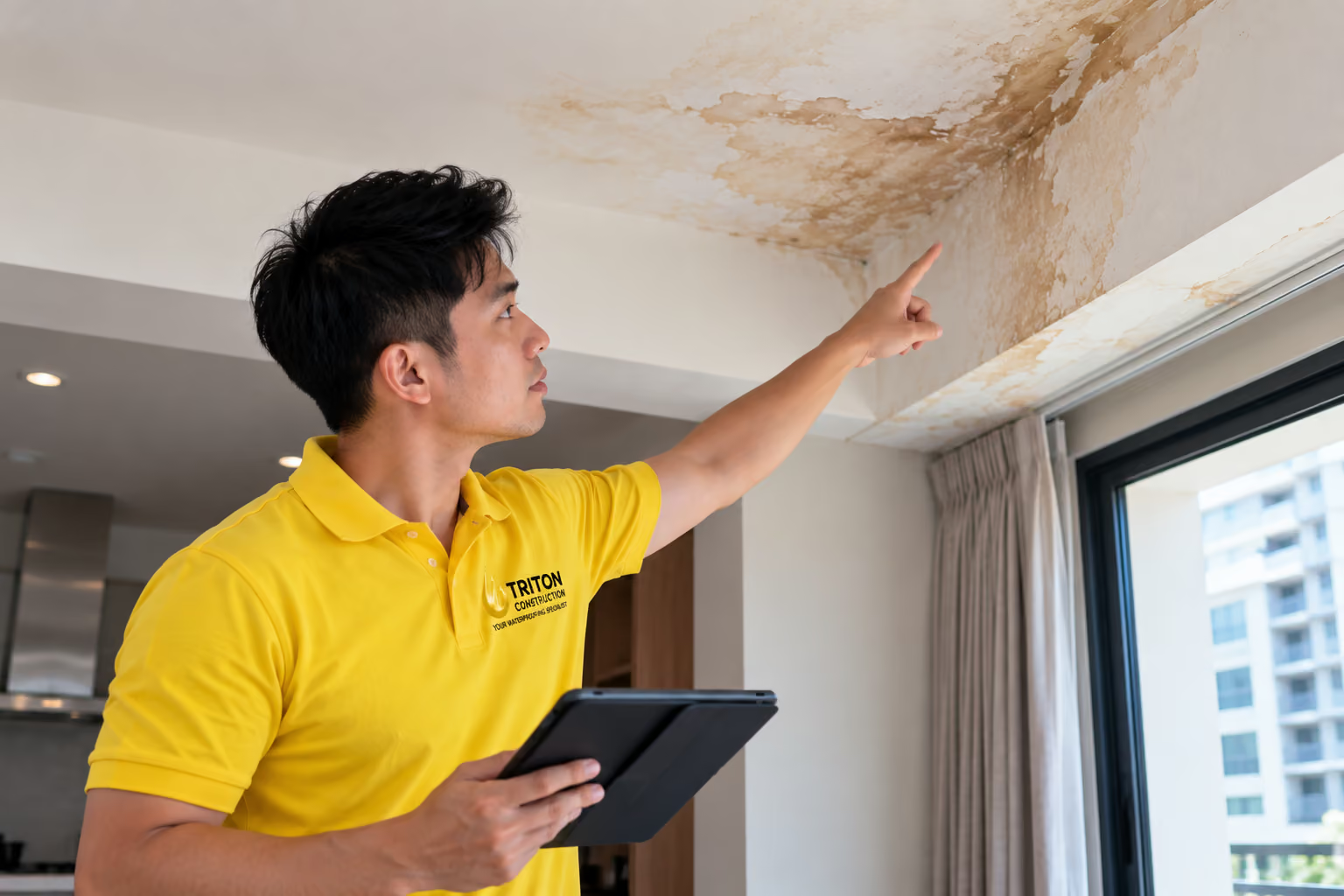
When homeowners notice a ceiling leak, damp wall, peeling paint or water stain, the first concern is usually cost.

It is common to ask:

  • “How much to repair?”
  • “Can do cheaper?”
  • “Can fix without hacking?”
  • “Can just patch the affected area?”
  • “Can stop the leak quickly?”

This is understandable. Water leakage is stressful, and no one wants to overspend.

‍

However, waterproofing is not just a surface repair. A leak may come from behind the wall, below the tiles, above the ceiling, around a pipe, through a roof crack, or from an external wall. If the actual source is not fixed, the cheapest repair may only hide the problem temporarily.

Cheap Repair vs Proper Leak Repair

There is a difference between a quick patch-up and a proper waterproofing repair.
Comparison Area Cheap Waterproofing Quote Proper Leak Repair
Main Focus Usually focuses on giving the lowest price quickly, sometimes before fully checking the leakage source. Focuses on identifying where the water is entering, travelling and appearing before recommending a repair method.
Diagnosis May only look at the visible stain, damp patch or dripping point. Checks nearby areas such as roof, external wall, bathroom, balcony, planter box, window frame, pipe area or drainage point.
Repair Method May use a generic surface patch, sealant or coating even when the leak source is deeper. Recommends a method based on the actual cause, such as PU injection, membrane repair, crack sealing, pipe surrounding repair or full waterproofing reinstatement.
Surface Preparation Surface preparation may be rushed or minimal, which can affect bonding and durability. Includes proper cleaning, drying, crack treatment, removal of weak material and preparation before waterproofing works.
Materials Used May use cheaper or unsuitable materials that are not designed for the specific leakage condition. Uses suitable waterproofing materials based on exposure, movement, water pressure, wet-area conditions and surface type.
Root Cause May treat only the symptom, such as the stain or crack seen on the surface. Aims to treat the source, such as failed membrane, concrete crack, external wall seepage, pipe gap or drainage issue.
Chance of Leak Recurrence Higher risk of leakage returning after a few months if the water source was not fixed. Lower risk of recurrence when the correct source, method and preparation are addressed properly.
Scope of Work Scope may be vague, with unclear exclusions, warranty terms or repair limitations. Provides clearer scope, including affected area, repair method, preparation, limitations and whether follow-up works are needed.
Short-Term Cost Usually lower upfront cost. May cost more upfront due to inspection, preparation, suitable materials and proper workmanship.
Long-Term Cost Can become more expensive if the leak returns and causes repeated repainting, plaster damage, mould, carpentry damage or further waterproofing works. More cost-effective in the long run when it reduces repeated repair, recurring stains and ongoing water damage.
Best For Minor temporary patch-ups where the homeowner understands the limitations. Recurring leaks, ceiling stains, wall seepage, bathroom leakage, roof leaks, planter box seepage and cases where long-term repair matters.

A cheap waterproofing quote is not always wrong, but it becomes risky when the leakage source is not properly assessed. Proper leak repair should focus on identifying the root cause, selecting the correct waterproofing method, preparing the surface properly, and reducing the chance of recurrence. For recurring ceiling leaks, wall seepage, bathroom leaks or water stains, an on-site inspection is recommended before confirming the repair method.

Why Some Waterproofing Repairs Fail After a Few Months

A waterproofing repair may fail when the work does not address the real cause of the leakage.

‍

Below are the most common reasons.

‍

1. The Visible Stain Was Treated, Not the Source

A water stain is only a symptom.

The actual water entry point may be far away from where the stain appears. Water can travel through concrete, wall cavities, ceiling boards, pipe openings or tile layers before becoming visible.

‍

For example:

  • A ceiling stain may be caused by a bathroom leak above.
  • A wall stain may be caused by external wall seepage.
  • A damp patch near a window may be caused by failed window sealant.
  • A ceiling leak after rain may come from a roof or balcony.
  • A stain near a pipe may be caused by pipe surrounding leakage.

If the contractor only patches the visible stain, the leak can return.

‍

2. The Wrong Repair Method Was Used

Different leaks require different repair methods.

A roof leak, bathroom leak, wall seepage, pipe leak, planter box leak and balcony leak cannot all be repaired the same way.

‍

For example:

  • PU injection may work for certain cracks or joints.
  • Membrane waterproofing may be needed for wet areas.
  • External wall repair may be needed for rainwater seepage.
  • Plumbing repair may be needed for active pipe leakage.
  • Drainage correction may be needed for planter boxes or balconies.
  • Hacking and reinstatement may be needed if the waterproofing layer has failed badly.

A cheap quote may use the fastest method instead of the correct method.

‍

3. Poor Surface Preparation

Waterproofing materials need proper surface preparation to bond well.

If the surface is dusty, wet, oily, weak, cracked, hollow or poorly cleaned, the waterproofing layer may not adhere properly.

‍

This can lead to:

  • Peeling waterproofing coating
  • Cracking sealant
  • Water passing through weak spots
  • Poor bonding to tiles or concrete
  • Leakage returning after rain
  • Repair failure after a few months

Good waterproofing work often requires preparation before application. This step may take time, but it affects the durability of the repair.

4. Low-Quality Materials Were Used

Not all waterproofing materials perform the same.

A cheaper quote may use lower-cost materials that are not suitable for the affected area. Some materials may not handle constant moisture, movement, UV exposure, ponding water or wet-area conditions well.

The material should match the site condition.

For example:

  • Roof areas need materials suitable for sun and rain exposure.
  • Bathrooms need waterproofing suitable for wet areas.
  • External walls need repair systems suitable for weather exposure.
  • Cracks and joints may need flexible materials.
  • Active seepage may require injection or sealing methods.

Using the wrong product can lead to early failure.

‍

5. The Waterproofing Membrane Had Already Failed

For bathrooms, balconies, planter boxes and roof terraces, the waterproofing membrane is usually hidden below tiles, screed or finishes.

If the membrane has failed across a large area, a surface patch may not solve the issue.

Water may continue travelling under the surface and appear again later. This is why some leaks seem to disappear for a short while, then return after a few months.

In such cases, proper waterproofing repair may require more extensive works, not just a quick sealant application.

‍

6. Trapped Moisture Was Not Allowed to Dry

If water has been trapped behind walls, below tiles or inside the screed for a long time, the area may remain damp even after repair.

‍

If the surface is painted, sealed or covered too quickly, moisture may continue to cause:

  • Peeling paint
  • Blistering
  • Mould growth
  • Musty smell
  • Damp patches
  • White powdery stains
  • Stains returning after repainting

A proper repair should consider drying time and the condition of the affected area.

‍

7. The Leak Was Caused by More Than One Problem

Some water leakage problems have multiple causes.

For example, a bathroom leak may involve failed grout, pipe surrounding gaps and weak waterproofing below the tiles. An external wall leak may involve cracks, window gaps and poor drainage. A balcony leak may involve tile joints, drainage falls and failed membrane.

If only one issue is fixed, water may continue entering through another path.

This is common when the repair is based on the cheapest quote rather than proper assessment.

‍

8. No Warranty or Unclear Scope of Work

A cheap quote may not clearly state what is included.

Homeowners should check whether the quote explains:

  • What area will be repaired
  • What method will be used
  • What materials will be applied
  • Whether hacking is included or excluded
  • Whether surface preparation is included
  • Whether water testing is included
  • Whether warranty is provided
  • What is not covered
  • What happens if the leak returns

A vague quote may lead to misunderstanding and repeated costs later.

‍

Warning Signs of a Poor Waterproofing Quote

Be careful if the quote:

  • Is much cheaper than all other quotes
  • Gives a price without asking about the source
  • Does not request photos or site details
  • Does not explain the repair method
  • Promises “permanent solution” without inspection
  • Says no hacking is always possible
  • Uses only surface sealant for all leaks
  • Does not mention preparation works
  • Does not explain limitations
  • Has unclear warranty terms

A proper contractor should be able to explain why a method is suitable, not just give a low price.

‍

What a Proper Leak Repair Should Include

A proper waterproofing assessment should consider:

  1. Where the water is coming from
  2. Whether the leak happens after rain or during dry weather
  3. Whether the affected area is near a bathroom, roof, balcony, planter box, window or pipe
  4. Whether there are cracks, hollow tiles, peeling paint or mould
  5. Whether previous repair works were done
  6. Whether the waterproofing membrane may have failed
  7. Whether plumbing inspection is needed
  8. Whether no-hacking repair is suitable
  9. Whether hacking and reinstatement may be required
  10. How to reduce the chance of recurrence

The repair should match the root cause, not just the visible stain.

‍

Cheap Quote Can Become More Expensive Later

A low-cost repair may become more expensive if the leak returns.

Repeated leakage can lead to:

  • Repainting costs
  • Plaster ceiling damage
  • Carpentry damage
  • Flooring damage
  • Mould treatment
  • Electrical safety concerns
  • Neighbour disputes
  • Multiple repair visits
  • Full waterproofing works later

In waterproofing, the cheapest quote is not always the cheapest outcome.

‍

When a Lower-Cost Repair May Still Be Suitable

Not every affordable quote is bad.

A lower-cost repair may be suitable if:

  • The leak is minor and localised
  • The source is clearly identified
  • The surface condition is good
  • The repair method matches the issue
  • The quote clearly explains the scope
  • The contractor explains the limitations
  • The repair is not oversold as a guaranteed permanent fix

The key is not whether the quote is cheap or expensive. The key is whether the repair is appropriate for the leakage problem.

‍

Why Choose Triton Construction?

‍

Triton Construction Pte Ltd provides waterproofing and water leakage repair services for residential, commercial and industrial properties in Singapore.

We help assess the possible source of leakage before recommending the suitable repair method. Instead of simply covering the stain, we focus on identifying where water may be entering, travelling and collecting.

‍

Our waterproofing services include:

  • Ceiling leakage repair
  • Wall seepage repair
  • Roof waterproofing
  • External wall leakage repair
  • Bathroom waterproofing
  • Balcony waterproofing
  • Planter box waterproofing
  • Basement waterproofing
  • Retaining wall seepage repair
  • PU injection grouting
  • Pipe surrounding leakage repair
  • Concrete crack repair

‍

Our goal is to reduce leak recurrence by treating the source of the problem, not just the surface symptom.

Contact us now

Frequently Asked Questions (FAQ)

Let us answer your questions about waterproofing.
Why do some waterproofing repairs fail after a few months?

Some repairs fail because the actual source of water leakage was not fixed. The contractor may have treated only the visible stain, used the wrong method, skipped preparation, or applied materials that were not suitable for the site condition.

Is the cheapest waterproofing quote always bad?

Not always. A lower quote may be reasonable for a small and localised leak. However, if the quote does not explain the source, method, materials or limitations, the repair may not last.

Why does my leak come back after repair?

The leak may come back because water is still entering from another area, the waterproofing membrane has failed, moisture is trapped below the surface, or the original repair only covered the symptom.

Should I choose no-hacking waterproofing to save cost?

No-hacking waterproofing can be suitable for selected cases, but it is not always the best solution. If the membrane has failed or water is trapped below tiles, proper hacking and reinstatement may be needed.

How can I avoid repeated waterproofing repairs?

Choose a contractor who assesses the source, explains the repair method, checks surrounding areas and provides a clear scope of work. Avoid choosing based only on the lowest price.

Waterproofing Leak Expert
Wei Jie
Triton Construction - Your Waterproofing Specialist