
.png)
Black mould on grout is one of the most common (and frustrating) problems in Singapore homes. It looks unsightly, smells musty, and—if left untreated—can even affect indoor air quality.
But here’s the truth: cleaning alone won’t solve it permanently. To get rid of black mould for good, you need to understand the real cause.
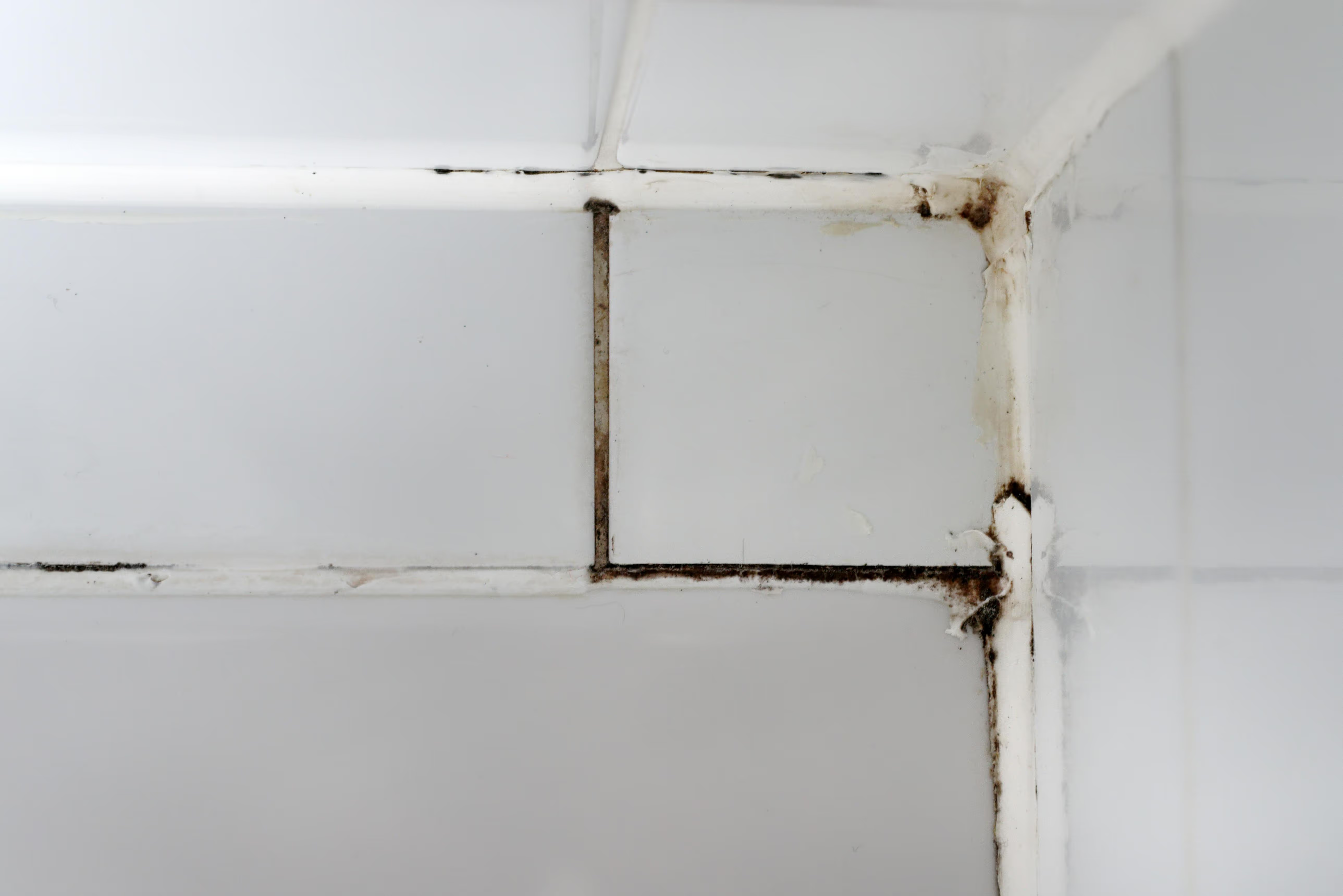
Black mould (often confused with mildew) is a type of fungus that thrives in moist, warm, and poorly ventilated environments—exactly like bathrooms, kitchens, and service yards.
Grout, especially traditional cement-based grout, is:
This makes it the perfect breeding ground for mould.
Singapore’s humid climate creates the ideal condition for mould growth. When moisture sits on grout lines after showers, it seeps in and stays trapped.
Bathrooms without proper airflow (no window or weak exhaust fan) allow moisture to linger, accelerating mould formation.
Traditional grout absorbs water easily. Over time, it becomes a sponge for:
This creates nutrients for mould to grow.
Many homeowners unknowingly:
Result? Mould comes back again and again.
Even after scrubbing or bleaching, mould often returns within weeks. Why?
Because:
👉 This is why DIY cleaning is usually a temporary fix, not a long-term solution.
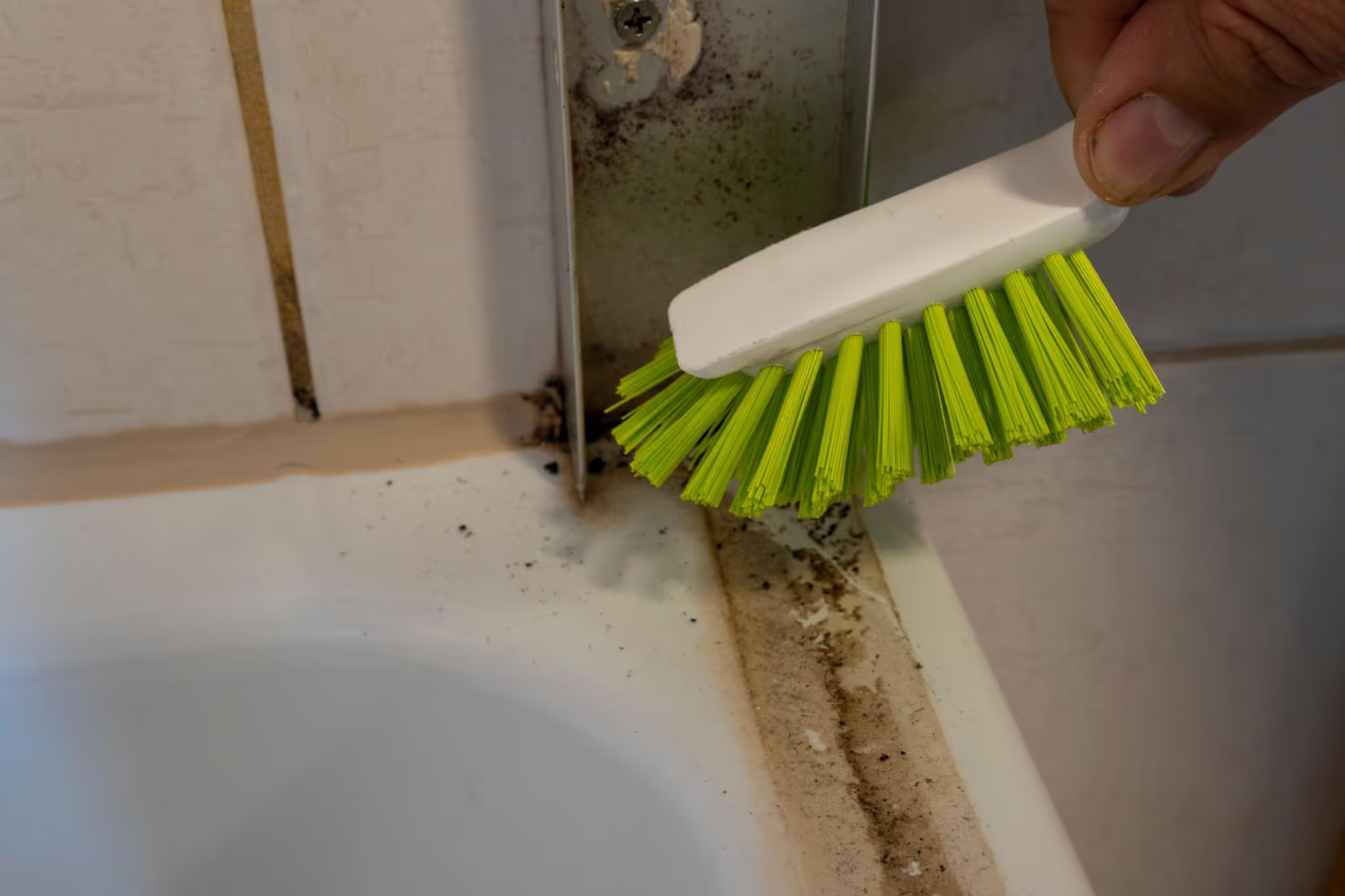
You can try:
However, these only provide temporary relief.
The most effective way to eliminate black mould permanently is epoxy grouting.
Unlike cement grout, epoxy grout prevents mould instead of fighting it repeatedly.
You should consider professional help if:
Professional epoxy grouting services can:
If you’re tired of scrubbing mould that keeps coming back, it may be time to:
👉 Stop treating the symptom
👉 Fix the root cause with epoxy grout replacement